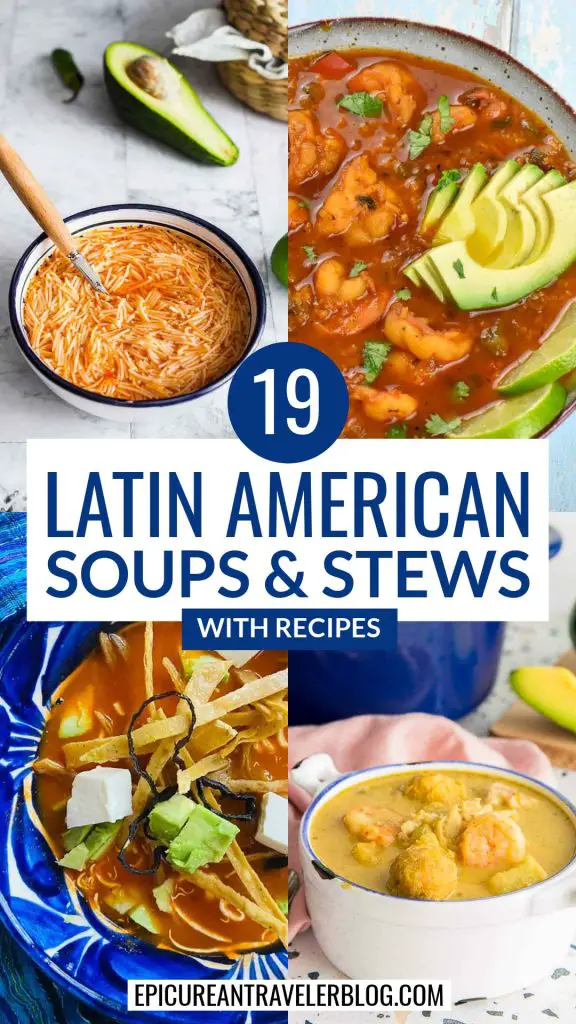
When we think of authentic foods from Latin America, empanadas, tamales, and arepas may spring to mind, but many soups and stews are equally authentic in Latin American gastronomy.
Mexican pozole, Argentine locro, Peruvian chupe de camarones, and more of the following 19 traditional Latin American soups and stews are warm, comforting dishes that have been beloved for generations, or even centuries.
Some of these soups and stews can be traced back to the pre-Colombian era, before the Spaniards and Portuguese arrived. In contrast, others have been influenced by the mix of Indigenous, European, and African cultures across Latin America and the Caribbean.
Perhaps you’ll also find a love for these authentic dishes as you slurp up a soup while traveling in Latin America or when cooking one of these hearty stews using the recipes linked throughout this post.
If eating authentic, local dishes is important to you when you travel, check out more of our Foods Around the World section. We’ve published food guides for Dubai, Paris, Singapore, and more global culinary destinations.
Disclosure: This recipe roundup of traditional stews and soups from Latin America contains affiliate links. I may earn a small commission if you click on one of these links and make a purchase.
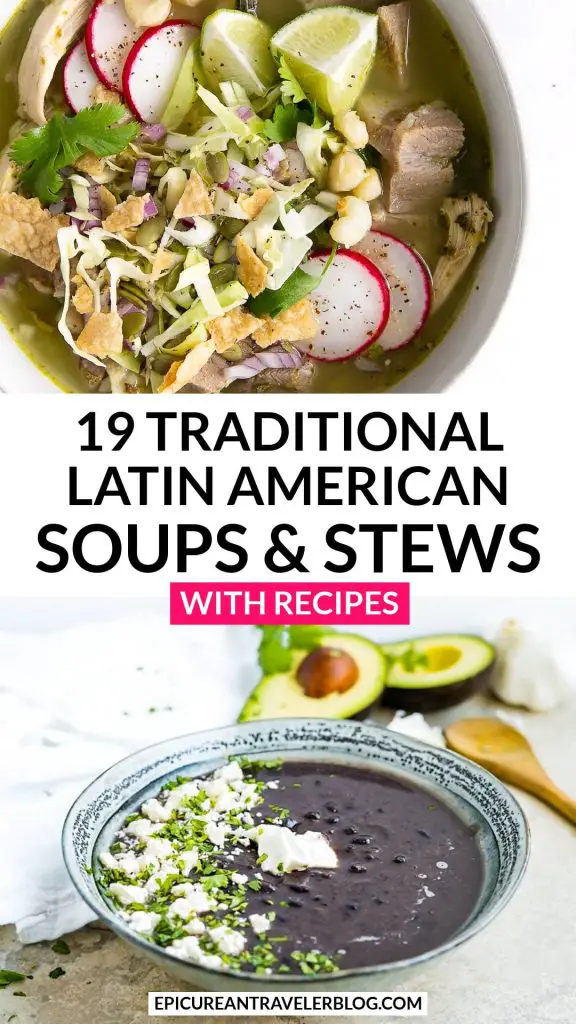
Common Ingredients in Latin American Soups
Before discussing the origins and recipes, let’s take a closer look at some common ingredients used to cook classic Latin American soups and stews.
Of course, corn, beans, and potatoes native to the Americas are common ingredients, but the influx of people from other cultures, particularly from Spain, Portugal, and West Africa, has influenced ingredients, too.
Therefore, if you plan to make one of these Latin American soups or stews, you should stock your kitchen pantry with the following ingredients:
- Annatto, an orange-red spice from achiote trees that has a nutty, floral aroma and mildly sweet and peppery taste
- Beans, such as black beans and pinto beans
- Chiles, such as ancho (dried poblano), guajillo, and serrano peppers
- Crema (Mexican sour cream)
- Fresh Cilantro (also called coriander)
- Hominy (dried white corn kernels)
- Queso Fresco (soft, mild, white Mexican cheese)
- Sazón, a seasoning blend of coriander, cumin, achiote, garlic powder, oregano, salt, and black pepper
- Sofrito, an aromatic blend of diced vegetables, herbs, and spices that forms the base and flavors of many Latin American soups and stews
- Tubers, such as potatoes, sweet potatoes, and cassava (also called yuca)
Pozole – Mexico
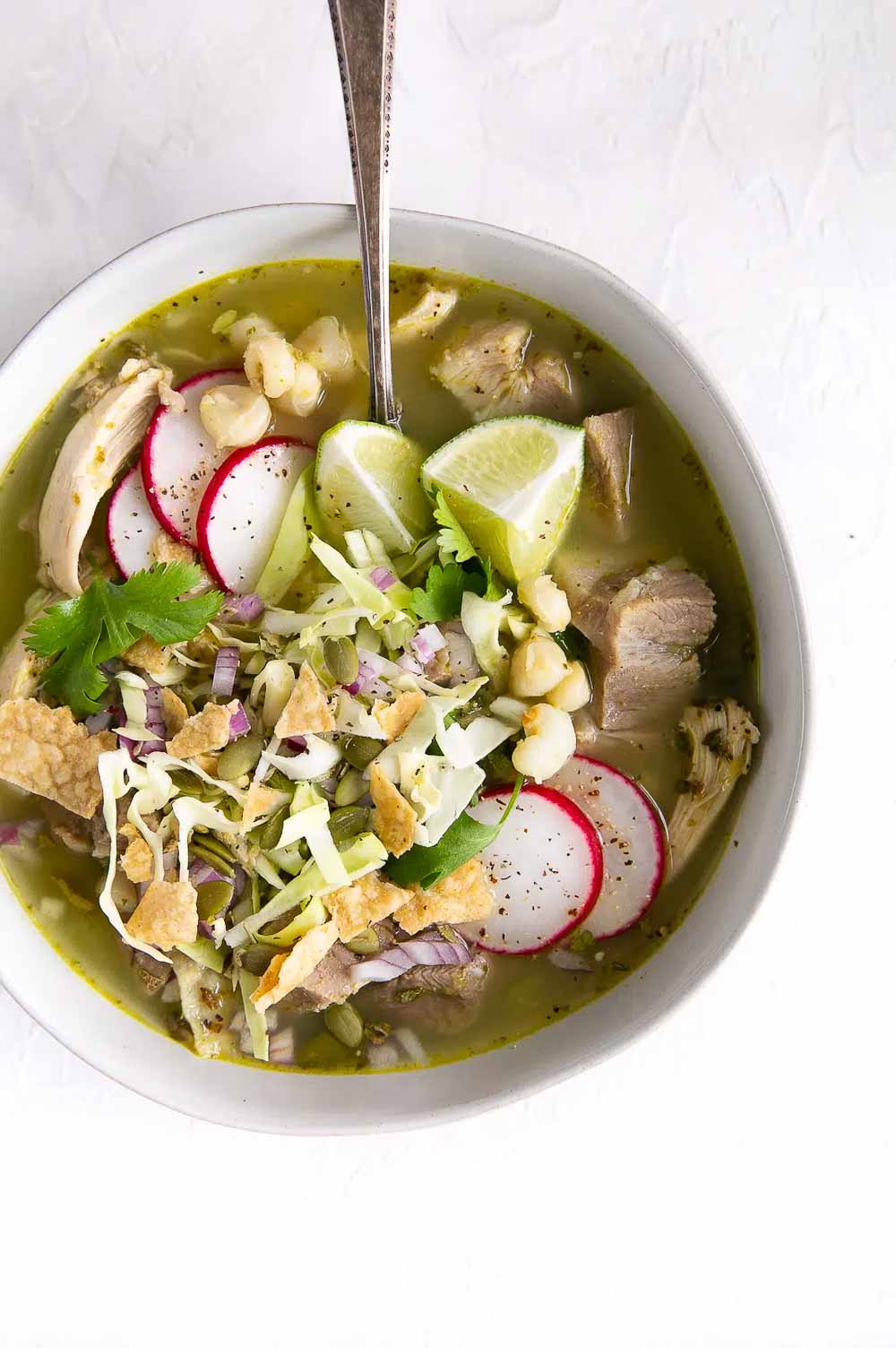
Pozole (also spelled posole) is a traditional Mexican soup or stew made from hominy, herbs, spices, and meat. It originated in Central Mexico during the pre-Colombian era and is now popular throughout Mexico.
The soup’s name comes from the Aztecs’ word for “foam,” pozolli, referring to the foam created when dried hominy kernels are boiled in an alkaline solution. This cooking process, called nixtamalization, softens the hominy and enhances its flavor.
Pozole has three main variations, but ingredients may vary depending on the region. Typically, pozole rojo is prepared with a red sauce made from chile peppers, pozole verde appears green from the tomatillos and green chiles in its sauce, and pozole blanco is made without a sauce.
Ajiaco – Colombia
Another Latin American soup, dating back to the time before the arrival of the Spaniards in the New World, is ajiaco.
Though the exact origin of this hearty soup is up for debate, there are 16th-century recordings of it in Colombia, Peru, and Cuba.
In Colombia, ajiaco has been traced back to the Chibcha people of Cundinamarca, the area around Bogotá. However, it wasn’t until the arrival of the Spaniards that chicken and cream were incorporated into the recipe we know today.
This traditional Colombian soup — now prepared with chicken, three types of potatoes, corn, and guasacas leaves — is one of the most popular dishes in Bogotá.
Whether you eat ajiaco in a Bogotá restaurant or from a home cook’s kitchen in Colombia, your bowl will likely be topped with capers and a dollop of sour milk cream and served with a side dish of rice and sliced avocado.
Sancocho – Latin America
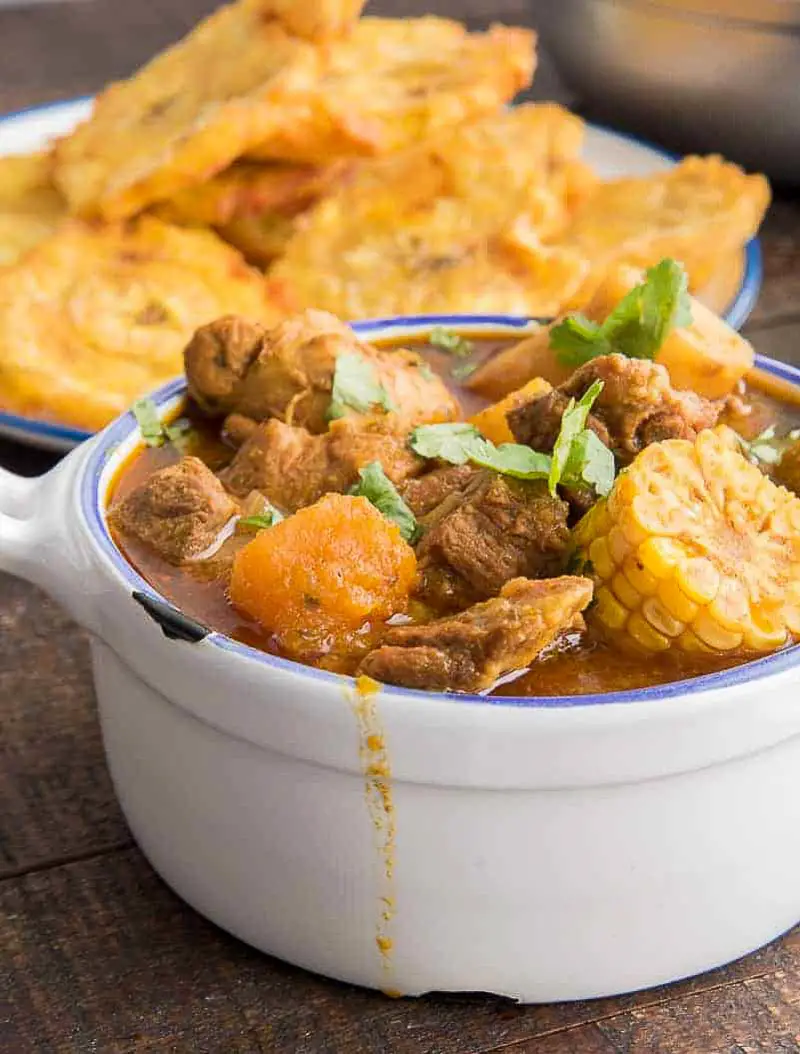
Derived from the Spanish verb sancochar, meaning to parboil, sancocho is a traditional Latin American stew named after its cooking method.
It is a popular stew in many Latin American and Caribbean countries, and Panama and the Dominican Republic claim it is their national dish.
Although there are variations in the ingredients between countries, sancocho typically consists of meat or seafood, yuca or other tubers, and various vegetables in a broth seasoned with cilantro. In the Dominican Republic, sancocho is made with seven types of meat.
In Puerto Rico, the rules governing which protein goes into this rustic stew are looser. It is often made with pig’s feet or ham hock, but some recipes call for beef, chicken, seafood, or a combination of proteins. You’ll find modern vegetarian versions, too.
Sopa de Azteca (Sopa de Tortilla) – Mexico
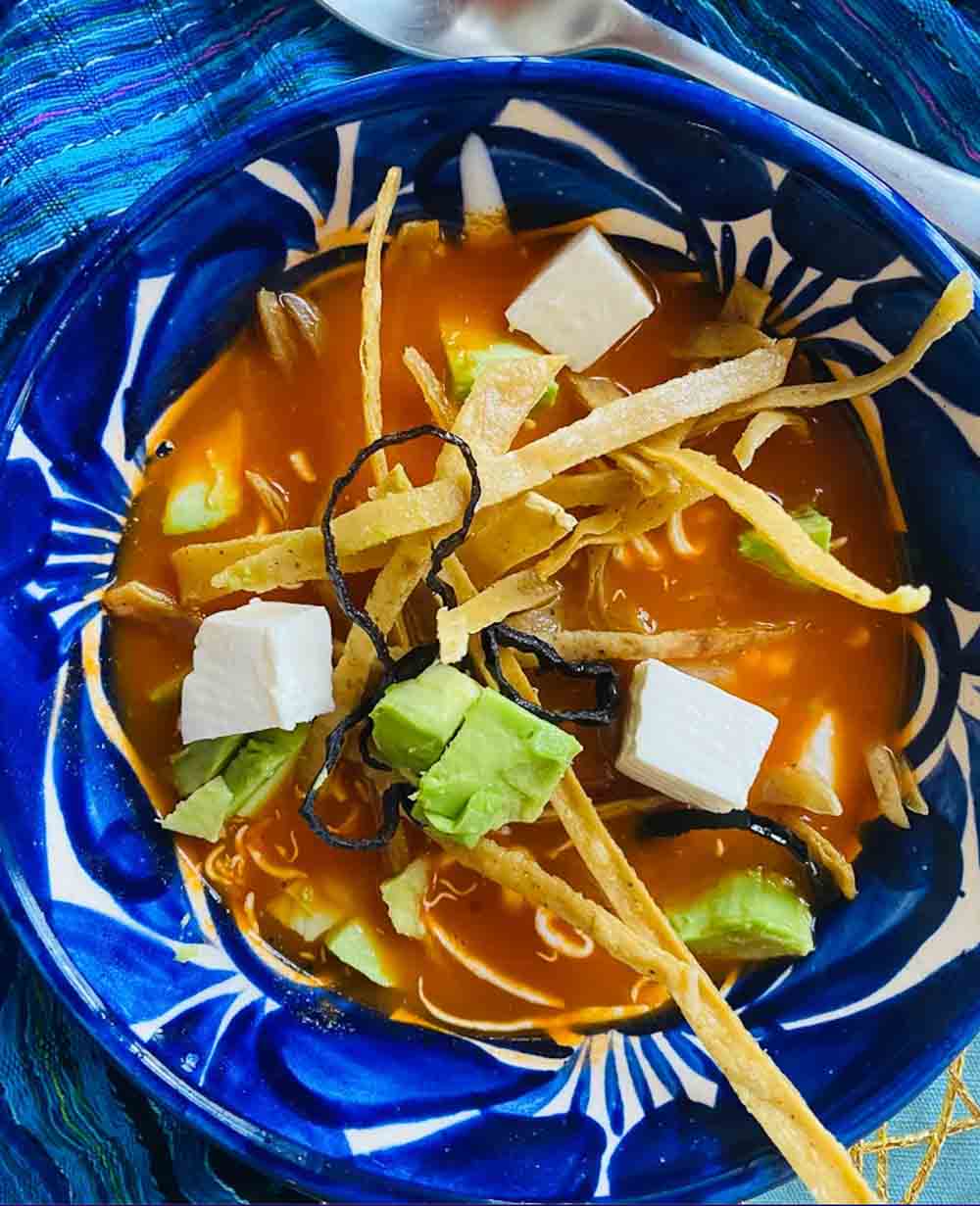
Sopa de Azteca, also known as sopa de tortilla, is an authentic Mexican tortilla soup with origins dating back to the pre-Hispanic era.
Although exact origins are unknown, the soup is often associated with Mexico City and Central Mexico.
It’s typically made with chicken broth, tomatoes, chiles, garlic, onion, and fried tortilla strips. You can top it with sliced avocado, deseeded pasilla chiles, cubed queso panela or queso fresco, and a dollop of crema.
Argentine Locro – Argentina
Considered Argentina’s national dish, locro is a thick squash stew popular in the South American Andes, with variations in Peru, Bolivia, Ecuador, Chile, Paraguay, and Southwestern Colombia.
Although it originated in the northwestern part of the country, Argentine locro has spread throughout Argentina. Over time, various regions have put their own unique stamp on the stew.
In Argentina, locro is slowly cooked over low heat and typically made with pumpkins called zapallo plomo, beans, white corn grains, and meat, such as pork ribs, sausage, charqui (dried beef jerky), or offal, depending on the region.
However, in the northeast, locro is made with cassava, and a version with peas is made in Neuquén, a western province at the northern end of Patagonia.
Asopao – Puerto Rico
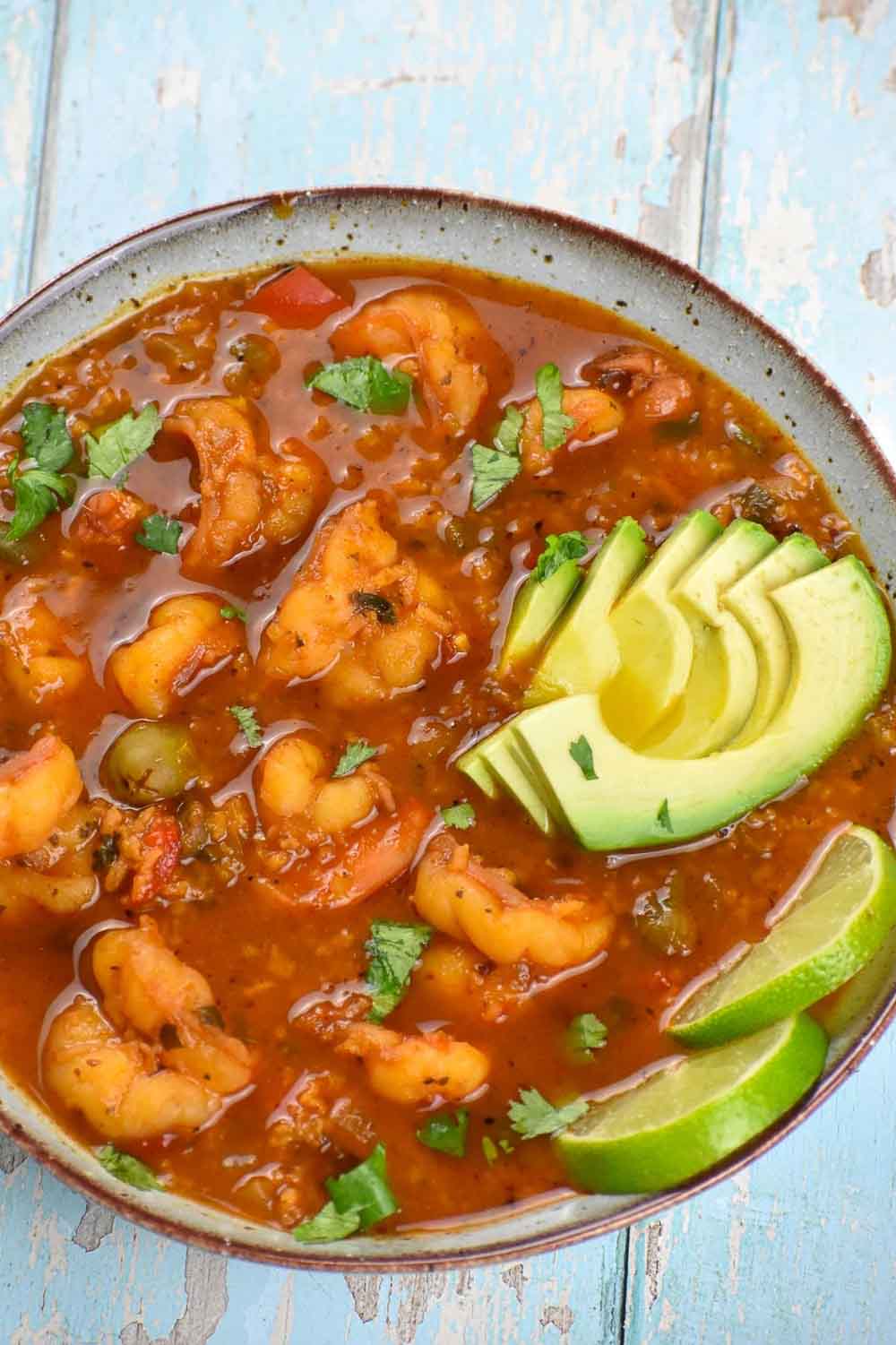
Asopao is Puerto Rico’s national soup, but it also refers to soups and stews served in several Caribbean and Latin cuisines.
In Puerto Rico, asopao is served at family and holiday gatherings, such as Christmas and Los Tres Reyes Magos celebrations.
One common variation of this hearty stew is asopao de pollo. Traditionally, it’s made with rice, chicken thighs, sofrito, Sazón with annatto seasoning, and smoked ham.
Other versions of this Puerto Rican stew include asopao de camarones, asopao de marisco, and asopao de gandules, one of the most popular dishes in Puerto Rico.
Chupe de Camarones – Peru
Many Latin American cuisines feature seafood in their dishes, and that is certainly true in Peru. The birthplace of ceviche is also the land of chupe de camarones, Peruvian shrimp chowder.
Originating along Peru’s southern coast in Arequipa, where river shrimp were harvested from rivers and streams in the Colca Valley, chupe de camarones is believed to have evolved from a warm ceviche dish prepared with cassava or potatoes and ají amarillo (yellow peppers).
Eventually, the milk, cheese, and eggs introduced by the Spaniards were incorporated into the soup we know today as one of the most celebrated dishes in Arequipan gastronomy.
Tapado – Guatemala & Honduras
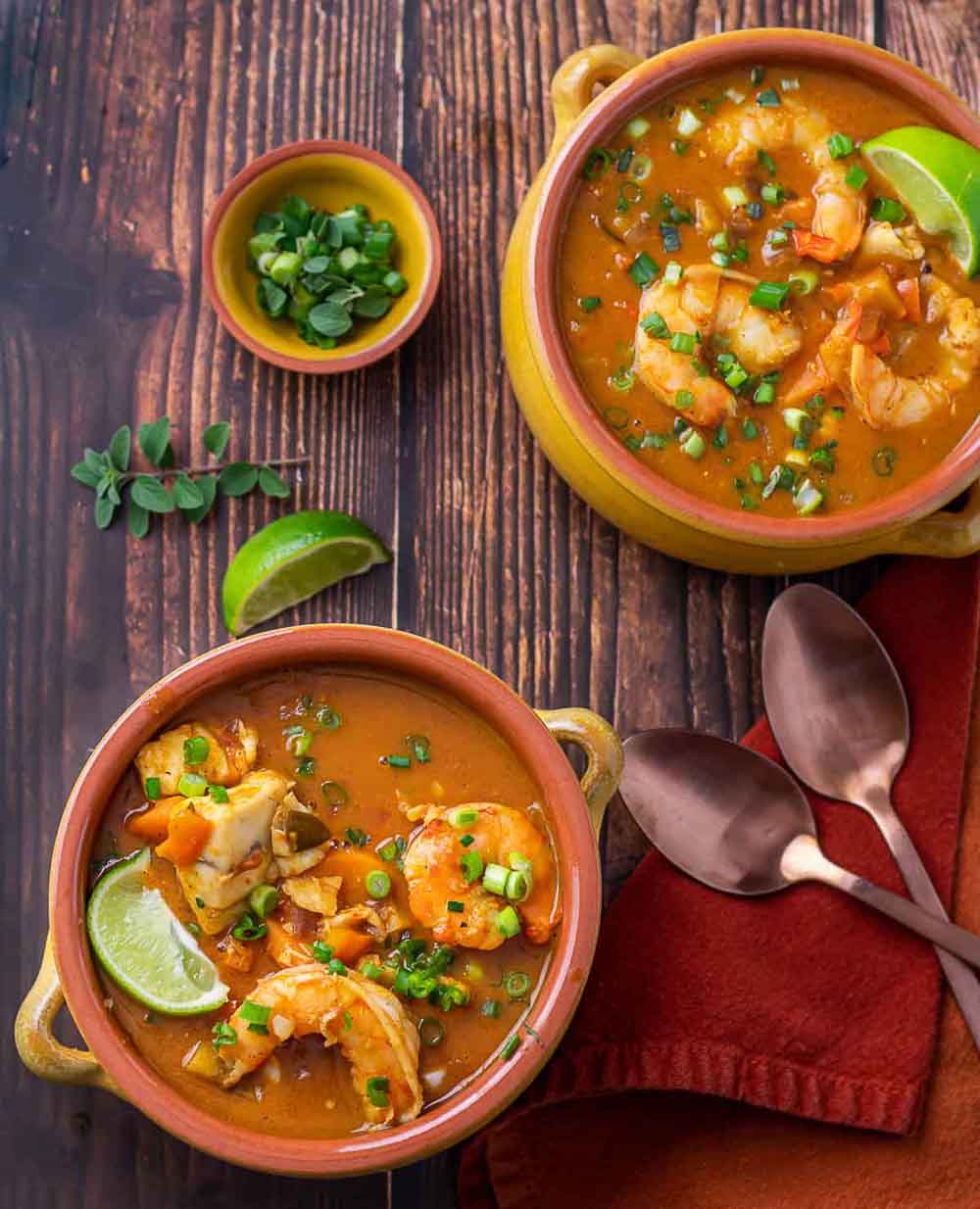
Tapado is a Garifuna seafood stew eaten along the coasts of Guatemala and northern Honduras, where the Garifuna people’s mixed African, European, and Native American ancestry and Afro-Caribbean culture have influenced the local cuisine.
It is cooked by sautéing a sofrito and dissolving annatto into warm seafood stock. Then, yuca, sweet potatoes, and plantains are added to the simmering pot, followed by the stirring in of coconut milk and the poaching of the fish and shellfish.
In Guatemala, the stew is served with a small fried fish on top, and chopped cilantro may be sprinkled to garnish the dish.
Encebollado – Ecuador
Traveling further south, you’ll find another Latin American fish stew: encebollado, a national dish of Ecuador.
Encebollado, meaning “onioned,” is a heartwarming soup of fresh albacore tuna, cassava root, onions, tomatoes, cilantro, and spices.
It’s topped with boiled cassava and pickled or lime-marinated red onions and may be served with rice, crispy plantain chips, toasted corn, avocado, lime, or mustard.
This Ecuadorian soup, which originated among fishermen along Ecuador’s Pacific coast out of necessity, is now eaten across the South American country.
It is particularly popular in the port city of Guayaquil, where food stall vendors start ladling the soup for hungry customers at breakfast.
Encebollado is eaten from breakfast through dinner, and some locals also consume this coastal soup to alleviate hangovers.
Caldo Santo – Puerto Rico
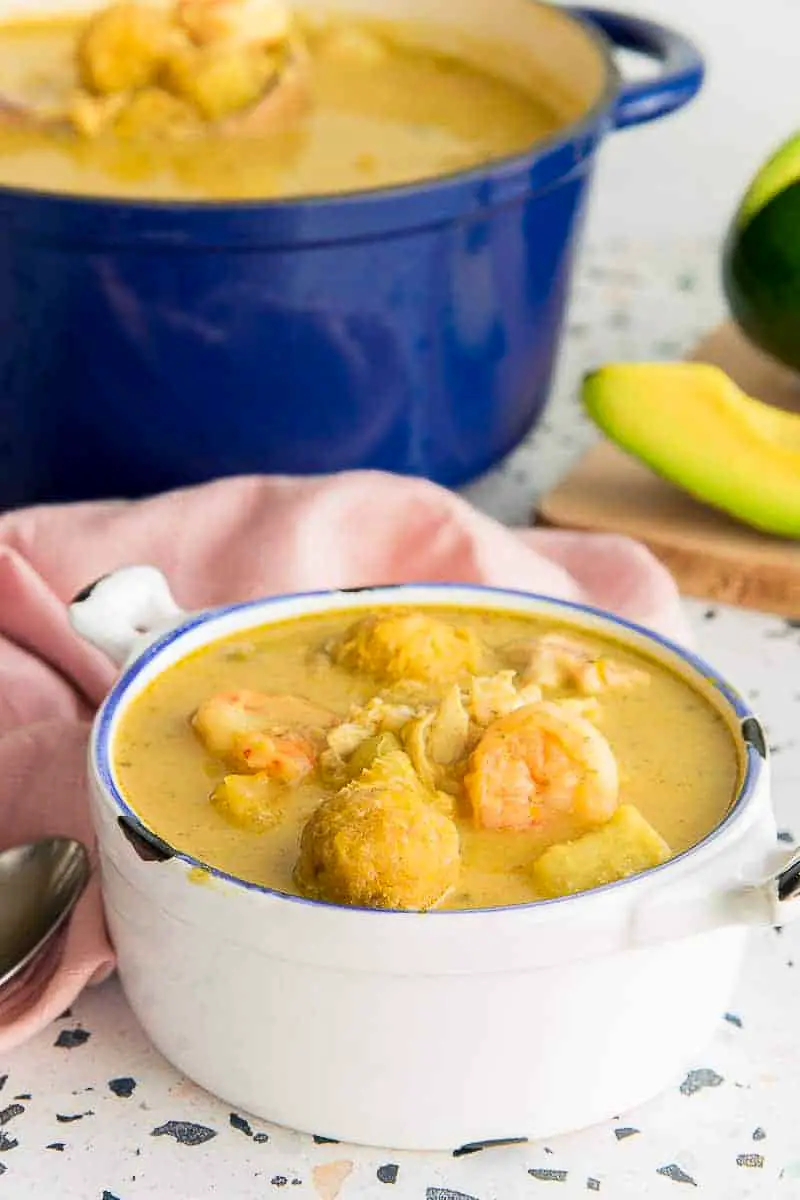
Caldo Santo, meaning “holy broth,” is a Puerto Rican coconut seafood stew eaten during Lent, Christians’ 40-day observance of Jesus’s fast leading up to Easter.
Like much of Puerto Rican cuisine, caldo santo was influenced by African culture. It originated in Loíza, a coastal town near San Juan known for its Afro-Puerto Rican heritage.
The West African influence is evident in the use of plantains and viandas (root vegetables), such as yuca and batata (tropical sweet potatoes).
The stew is also typically made with bacalao (salted cod) and other seafood local to the Puerto Rican coast.
Moqueca – Brazil
Also made with seafood is moqueca, a Brazilian seafood stew from Bahia, the heart of Afro-Brazilian culture, in Northeastern Brazil.
Traditionally, this creamy, spicy stew is prepared with fresh seafood, such as shrimp and fish; sautéed onion, garlic, tomatoes, and sweet peppers; one whole chile pepper to add heat; coconut milk to give it a creamy thickness; a sprinkle of fresh cilantro; and, finally, a drizzle of dendê oil (red palm oil).
It is typically served with rice or farofa de pilão, a type of toasted cassava flour.
Caldo de Albóndigas – Mexico
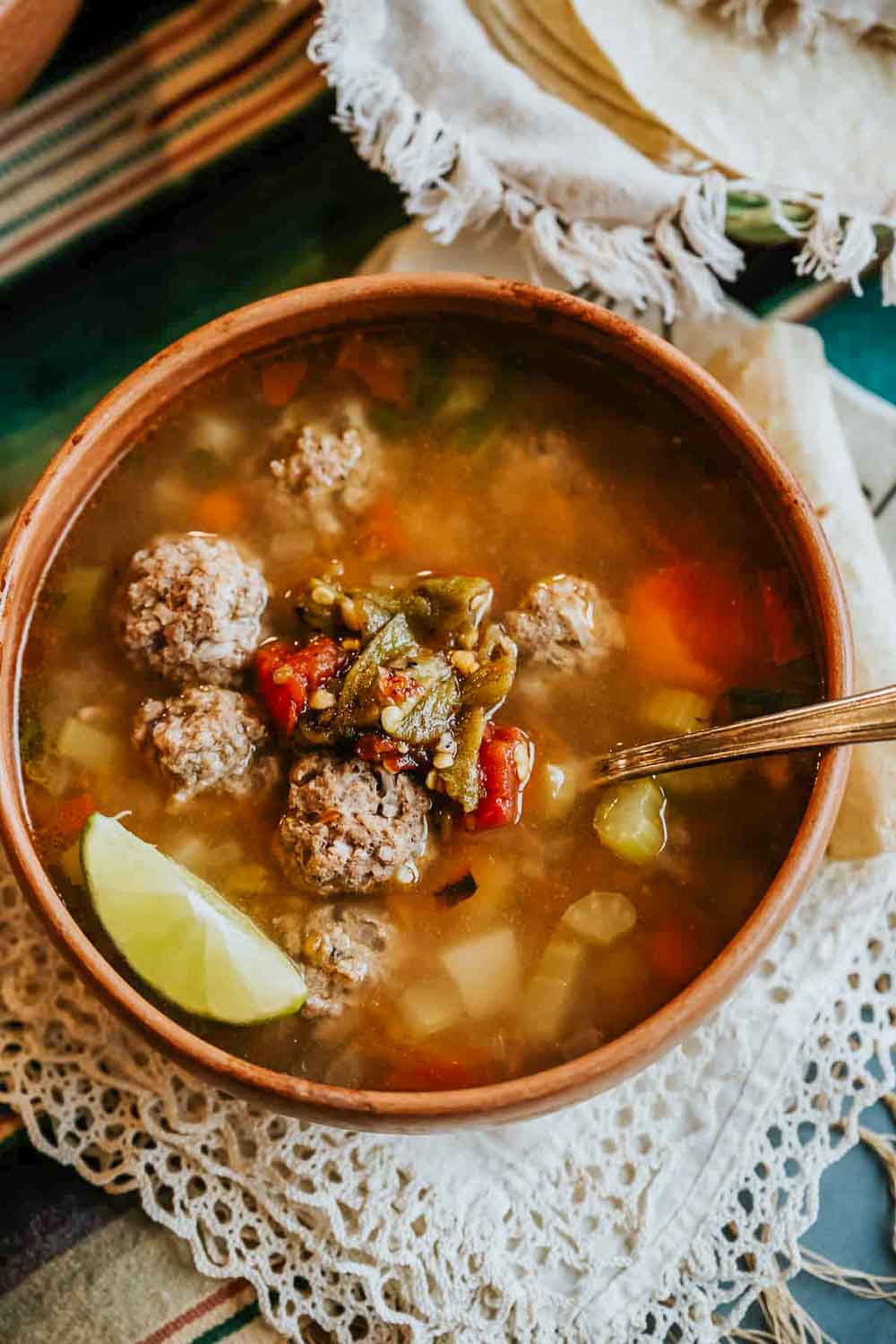
Caldo de albóndigas is a traditional Mexican meatball soup with origins in Spain.
Historians believe albóndigas originated with the Berbers during the Muslim rule in Spain, and the name is derived from al-bunduq, the Arabic term for “hazelnut,” referring to the size of the meatballs.
This cozy soup is perfect for chilly fall nights, gloomy winter days, and, as abuelas would likely tell you, whenever you have the sniffles.
Also, though this soup resembles Italian wedding soup, albóndigas are formed with rice as a binding agent, making them more tender than Italian meatballs.
You can serve caldo de albóndigas with rice, corn tortillas, or tostadas and garnish with chopped cilantro and a squeeze of fresh lime.
Sopa de Frijoles Negros – Cuba
Sopa de frijoles negros is a Cuban black bean soup made from dried black beans. Though some recipes use ham hock to flavor the soup, some prefer simpler, vegetarian versions.
Since black beans are a native food that has been a staple in Central and South American gastronomy for more than 7,000 years, there are versions of black bean soup in many of Latin America’s cuisines.
Sopa de Frijol – Guatemala
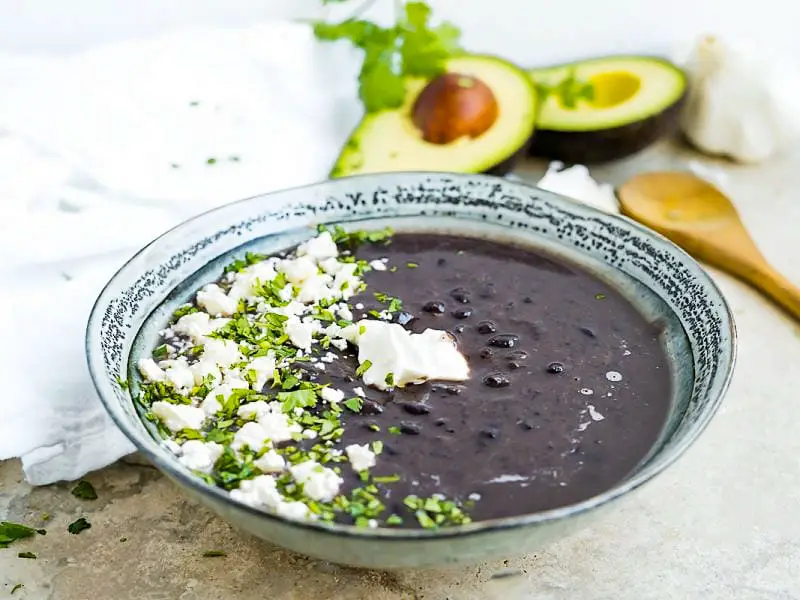
One of those other black bean soups is Guatemalan sopa de frijol.
This authentic soup from Guatemala is made from only a few simple ingredients: black beans, water, onion, garlic, and salt.
Since it is such a simple soup, you can add more flavor by garnishing it with cilantro, crema, or a sprinkle of queso seco from Zacapa, an agricultural area known for its cheese.
Cow Foot Soup – Belize
In neighboring Belize, cow foot soup is a favorite comfort food. It’s particularly popular in inland cities, such as San Ignacio and the capital city, Belmopan.
Some love this soup for its rich flavor from slowly cooking for hours with various spices, root vegetables such as okra and potatoes, tripe, and — as the name suggests — a whole cow’s heel on the bone.
It’s also sought after a night of drinking as a natural hangover remedy and for its skin health benefits.
In addition to Belizean cow foot soup, cow foot or cow heel soup variations are found in other Caribbean and Latin American cuisines.
Aguadito de Pollo – Peru
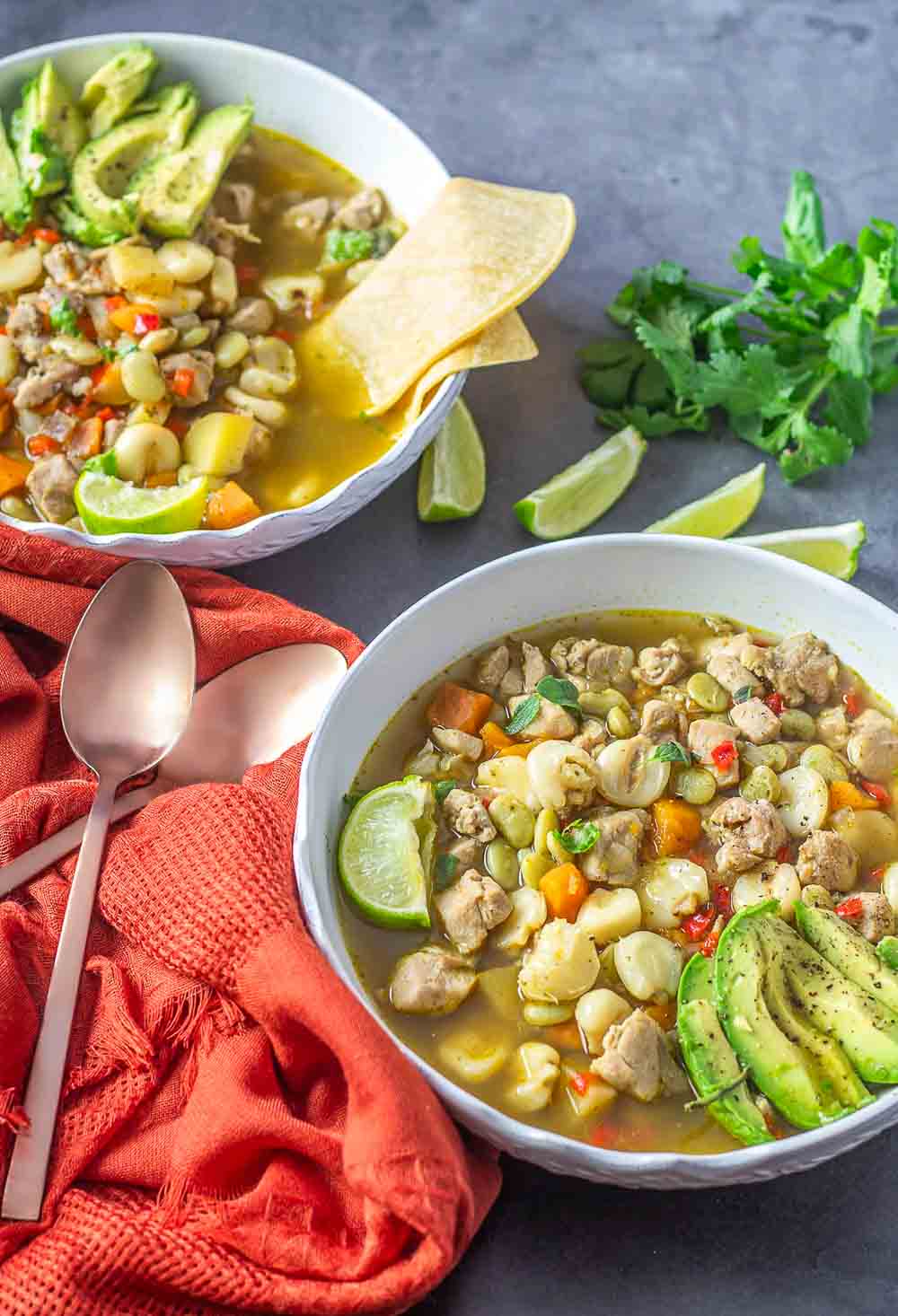
Another soup eaten as a hangover cure in Latin America is aguadito de pollo. This hearty Peruvian chicken soup contains protein-rich chicken, fresh cilantro, nutritious vegetables, and warm spices.
Typically, aguadito recipes call for chicken offal, such as liver, heart, and gizzard. It’s also traditionally made with yellow potatoes, hominy, peas, carrots, rice, and a heap of cilantro, giving the soup its green color.
Sopa de Maní – Bolivia
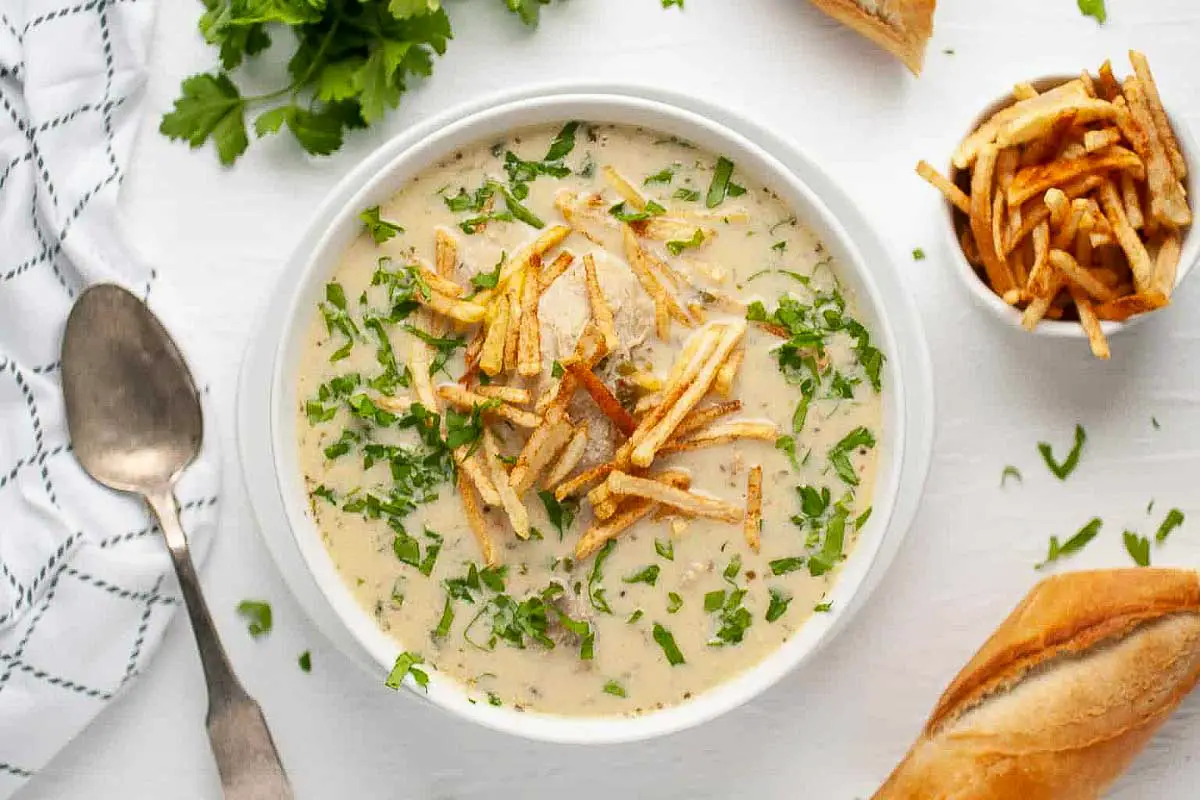
Hailing from Cochabamba, Bolivia, sopa de maní is a variation of Andean peanut and potato soup made with beef ribs or chicken.
Fried matchstick potatoes typically garnish this Bolivian soup. For a kick of spice, you can serve it with llajwa, Bolivian hot sauce.
Cuchuco – Colombia
Originating from the Indigenous Muisca people in the Colombian Andes, cuchuco is popular in the Boyacá and Cundinamarca departments of the South American country.
This traditional Colombian soup comes in three main variations, each made with pork ribs and a starchy vegetable or grain.
Cuchuco de Maíz is made with hominy, Cuchuco de Cebada with barley, and Cuchuco de Trigo with bulgur wheat.
Sopa de Fideo – Mexico
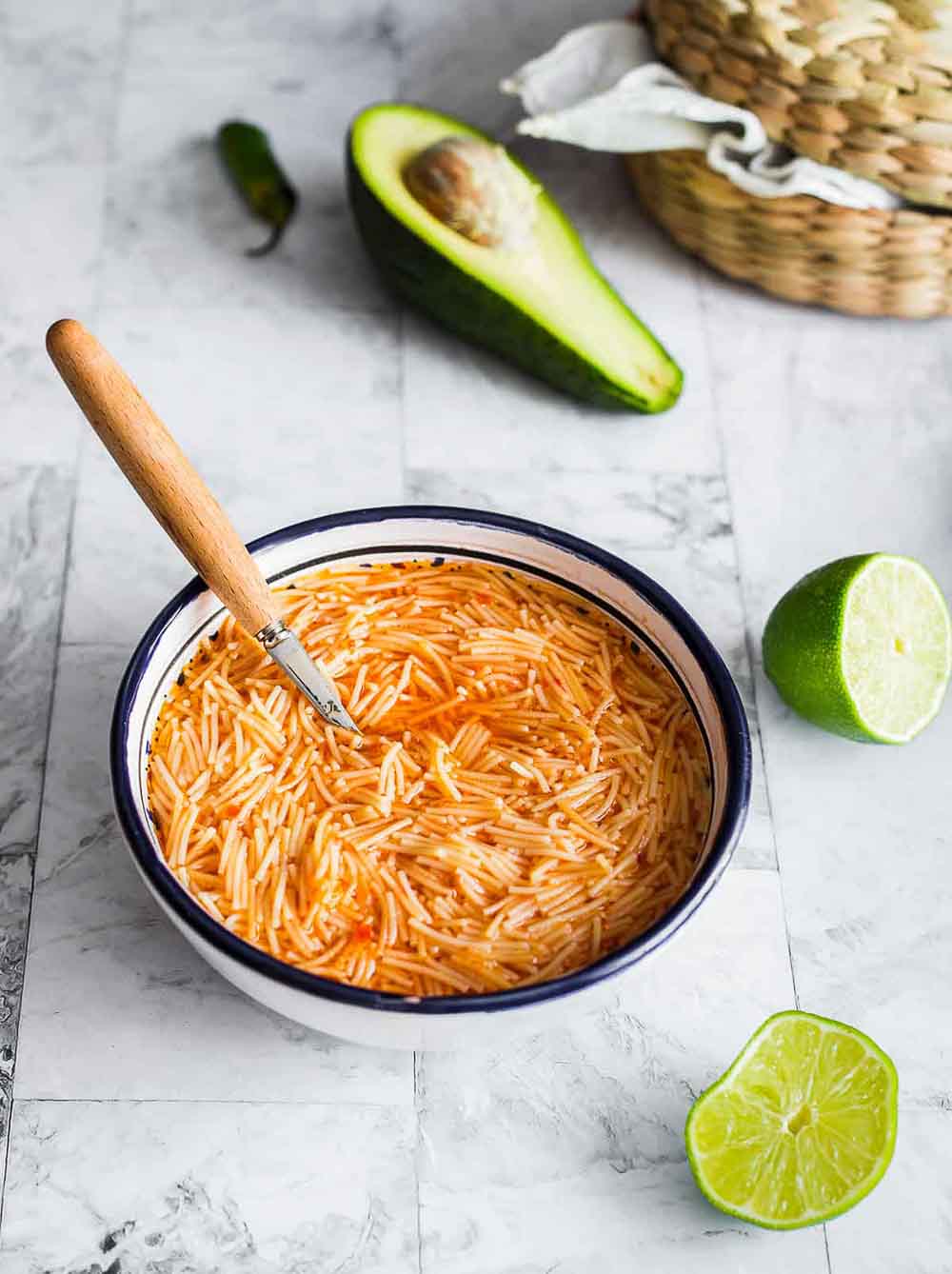
Sopa de fideo is a traditional Mexican soup made with toasted fideos, similar to vermicelli noodles, and a flavorful tomato broth.
It is a comforting soup reminiscent of Spanish rice, with a bold, garlicky flavor.
Top the soup with queso fresco, freshly squeezed lime juice, avocado slices, or hot sauce.
Conclusion
When we’re not traveling, cooking is a wonderful way to learn about other cuisines from around the world.
Therefore, I hope you’ll taste a bit of Latin American gastronomy in your kitchen by providing recipes for all 19 of these traditional Latin American soups and stews.
I’d also love to know if you make any of the recipes linked in this post. You can tell us about your cooking experience by leaving a comment below.
If you post the finished soup or stew on Instagram, please tag @the.epicurean.traveler and the recipe creator.
Read Related Posts
- 10 Latin American Foods to Inspire Your Next Trip
- 70+ Flavored Margarita Recipes
- Traditional Irish Foods Too Comforting to Not Eat in Ireland
- Maldives Food Guide: 7 Traditional Maldivian Dishes
- Authentic Pakistani Foods to Eat in Pakistan (With Recipes to Cook at Home)
- Foods to Eat in China: Famous Chinese Dishes You Think You Already Know
Save this post to your Latin American food or recipe board on Pinterest!